
marzo 26, 2026
Agency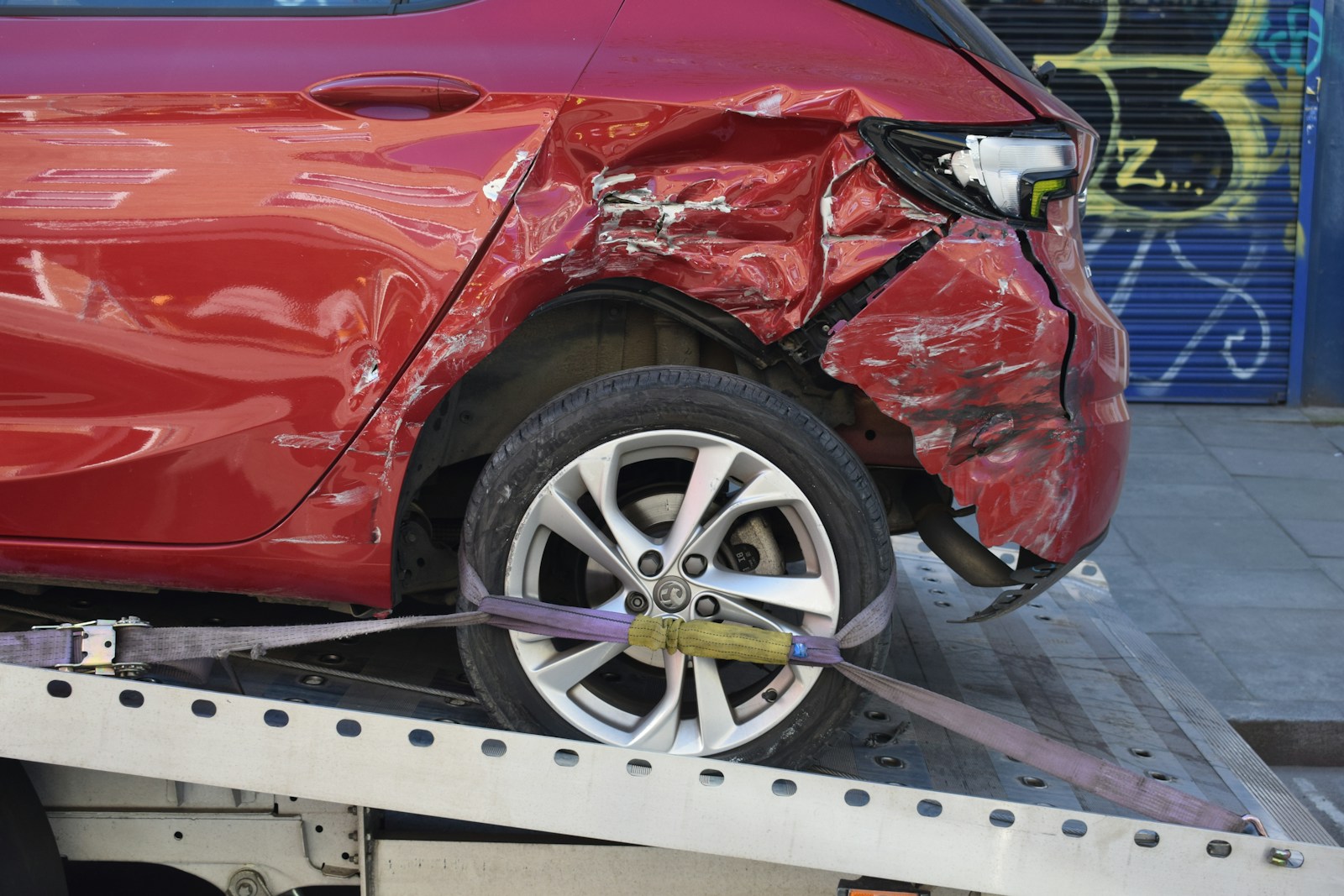
The Difference Between Liability, Collision, and Comprehensive Coverage
Understanding your auto insurance options is essential for every Texas driver. Our team is here to break down common types of car insurance so you can make informed decisions about your coverage.
Liability Coverage
Liability coverage is the foundation of any Texas auto insurance policy. It helps pay for injuries or property damage you cause to others in an accident where you are at fault. Liability coverage typically includes the following:
- Bodily injury liability: Covers medical expenses for other people injured in an accident you cause.
- Property damage liability: Pays for damage to another person’s vehicle or property.
Liability coverage does not pay for your injuries or vehicle repairs. It’s designed to protect you financially if you’re responsible for an accident.
Collision Coverage
Collision insurance helps pay for repairs or replacement of your vehicle if it’s damaged in a collision, regardless of who is at fault. This includes accidents with other vehicles, objects like fences or trees, or even single-car rollovers. Your lender may require collision coverage if you have a car loan or lease.
Comprehensive Coverage
Comprehensive coverage may provide coverage if your vehicle is damaged in a non-collision event, including:
- Theft or vandalism
- Fire or explosions
- Hail, flooding, or other weather-related damage
- Hitting an animal
Comprehensive insurance is also optional but can provide valuable coverage, especially given Texas’s unpredictable weather and high rates of vehicle theft in some areas.
How Our Team Can Help
At My Insurance Store, we guide Texas drivers through their auto insurance choices. Our team takes the time to explain your options, answer your questions, and help you find the right balance of coverage for your needs and budget.
Contact us today to review your car insurance and get a personalized quote.
This blog is intended for informational and educational use only. It is not exhaustive and should not be construed as legal advice. Please contact your insurance professional for further information.
Categories: Auto Insurance, Blog